☳ Neuroscience and Aging Research
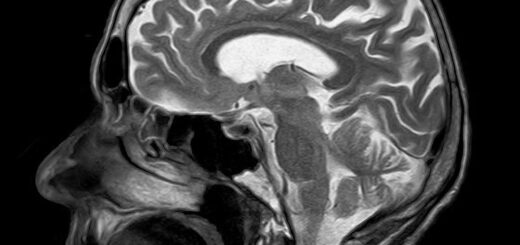
My research focuses on understanding how the brain changes with age, particularly the mechanisms involved in cognitive decline and neurodegeneration across different clinical populations, including individuals with Alzheimer’s disease and people living with HIV. My interests span biomedical neuroscience, exercise science, neuroimaging, computational methods, and mathematical modelling. I’m particularly interested in how biological processes, lifestyle factors, and changes in brain structure and function relate to cognitive health throughout life.
Biomedical Mechanisms of Brain Aging
Cellular, molecular, and physiological processes involved in brain aging, including oxidative stress, neuroinflammation, cerebrovascular changes, and brain waste clearance mechanisms. Particular attention to their potential contributions to cognitive decline across aging and clinical conditions, including Alzheimer’s disease and HIV infection.
Exercise Neuroscience and Cognitive Health
The potential effects of physical activity and exercise on brain health and cognitive function, particularly in older adults. Key topics include aerobic and resistance exercise, neuroplasticity, executive function, mood, sleep, and non-pharmacological approaches to supporting healthy brain aging.
Computational Neuroscience and Neurotechnology in Aging
Computational methods and neurotechnological approaches applied to age-related changes in brain structure and function. Key topics include neuroimaging, electrophysiology, machine learning, signal processing, and network analysis, with potential applications in cognitive aging and neurodegeneration.
Mathematical Neuroscience and Modelling of Brain Aging
Mathematical and theoretical approaches to brain aging and neural dynamics, including dynamical systems, graph theory, and probabilistic modelling. Particular attention to their potential applications in understanding neural connectivity, physiological regulation, and changes in cognitive function over time.
☳ Ongoing Research Projects
SCAN-AGE: Sleep and Circadian Alterations in Neurofunctional Aging: A Prospective Cohort Study
This project investigates associations between circadian rhythms, sleep microstructure, glymphatic function, and cognitive health in older adults. The prospective cohort study includes actigraphy, polysomnography, neuroimaging, cognitive assessments, and biological biomarkers, with a 12-month follow-up to track cognitive and functional changes over time.
SLEEP-COG-AGE: Multimodal Modeling of Sleep and Neurobiological Determinants of Cognitive Decline in Aging
This project aims to develop predictive models of cognitive decline using sleep patterns, modifiable risk factors, and neurobiological markers. The study incorporates data from the UKBiobank and the Brazilian Longitudinal Study of Aging (ELSI-Brazil), alongside clinical validation in Brasília. Statistical modeling and machine learning are used to estimate individual risk and characterize patterns of cognitive change over time.
Effects of Multicomponent Exercise on Cognition and the Glymphatic System in Mild Cognitive Impairment and Alzheimer's Disease: A Randomised Controlled Trial
This project investigates the potential effects of a multicomponent exercise program on cognitive function and glymphatic activity in individuals with mild cognitive impairment or Alzheimer’s disease. The randomized controlled trial includes neuroimaging, cognitive assessments, and sleep analysis to better understand how exercise may influence brain health. Funding is provided by the National Council for Scientific and Technological Development (CNPq) and the Federal District Research Support Foundation (FAPDF).
Glymphatic Function, Sleep, and Biomarkers of Cognitive Decline in Alzheimer's Disease: A UKBiobank Study
This project investigates associations between glymphatic function, sleep disturbances, Alzheimer’s disease biomarkers, and cognitive decline. Using UKBiobank data, the study incorporates neuroimaging and computational methods to identify patterns associated with brain clearance mechanisms, cognitive function, and neurodegeneration.
☳ Completed Research Projects
Clinical Predictors of Progression from Mild Cognitive Impairment to Alzheimer's Disease: An Integrative Theoretical and Empirical Analysis
This project investigated clinical predictors of progression from mild cognitive impairment to Alzheimer’s disease through a systematic review with meta-analysis and a retrospective analysis of clinical records. The study assessed the predictive accuracy of existing models using sensitivity, specificity, and area under the curve (AUC), alongside risk-of-bias assessment using PROBAST. Clinical data were also analysed to support risk stratification and the early identification of individuals at increased risk of progression.