HIV and Cognitive Decline: Persistent Neuroinflammation and the Aging Brain
The introduction of combination antiretroviral therapy has altered the neurological consequences of HIV infection. Severe manifestations of HIV-associated encephalopathy and dementia have become less frequent among individuals receiving effective treatment, while milder disturbances in attention, executive function, episodic memory and psychomotor speed remain clinically relevant. As life expectancy increases, the neurological consequences of chronic HIV infection have become more difficult to distinguish from those associated with normal aging, cerebrovascular disease and other neurodegenerative conditions. The persistence of cognitive impairment despite systemic virological suppression raises important questions about the long-term effects of HIV on neuronal integrity, glial function and cerebral immune homeostasis.
The CNS HIV Antiretroviral Therapy Effects Research (CHARTER) study provided some of the earliest large-scale evidence that neurocognitive impairment remained prevalent during the antiretroviral treatment era. Heaton et al. evaluated 1,555 adults living with HIV and identified neuropsychological impairment in approximately 52% of participants. Impairment was more frequent among individuals with greater historical immunosuppression, particularly those with lower nadir CD4+ T-lymphocyte counts. These findings suggested that neurological injury acquired during periods of uncontrolled infection might persist after the initiation of antiretroviral therapy. However, the prevalence estimates also reflected the neuropsychological classification methods used at the time, whose specificity has subsequently been questioned.
Longitudinal observations from CHARTER further demonstrated that HIV-associated cognitive impairment does not necessarily follow a progressive course. Among 436 participants assessed over approximately 16 to 72 months, cognitive performance remained stable in a substantial proportion, while others exhibited either improvement or deterioration. This heterogeneity is clinically relevant because cognitive impairment identified at a single assessment cannot establish the presence of ongoing neurodegeneration. Distinguishing persistent deficits resulting from previous neurological injury from progressive cognitive deterioration requires repeated neuropsychological evaluations, consideration of practice effects and assessment of potentially confounding medical and psychiatric conditions.
The neuropathogenesis of HIV-associated cognitive dysfunction involves several interconnected cellular processes. HIV enters the central nervous system early in the course of infection, primarily through infected immune cells crossing the blood-brain barrier. Within the brain, infection is principally associated with cells of the monocyte-macrophage lineage, including perivascular macrophages and microglia. Evidence of persistent HIV reservoirs within the central nervous system has raised the possibility that compartmentalized viral persistence contributes to neurological abnormalities despite effective systemic treatment. However, persistent infection should not be interpreted as direct evidence of continuous neuronal injury, since the relationship between viral reservoirs, local immune activation and cognitive outcomes remains incompletely understood.
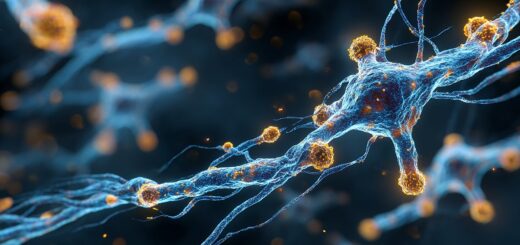
Neuronal dysfunction in HIV infection is predominantly mediated through indirect mechanisms rather than productive viral infection of neurons. Activated microglia and macrophages release inflammatory mediators, including tumour necrosis factor, interleukin-1β and other cytokines and chemokines capable of altering neuronal signalling. Experimental evidence also implicates glutamatergic excitotoxicity, oxidative stress and disturbances in mitochondrial function. HIV-associated proteins, including Tat and gp120, can exert neurotoxic effects under experimental conditions, although their relative contribution to neurological injury in individuals receiving suppressive antiretroviral therapy remains uncertain. These processes may interfere with synaptic plasticity, dendritic integrity and neuronal metabolism, particularly within circuits supporting executive function and information processing.
Microglial activation is a central component of the proposed inflammatory mechanisms. Under physiological conditions, microglia contribute to synaptic maintenance, immune surveillance and the removal of cellular debris. Persistent activation may alter these functions through changes in cytokine signalling, oxidative metabolism and interactions with astrocytes and neurons. Astrocytic dysfunction may further compromise extracellular glutamate regulation and metabolic support, increasing neuronal susceptibility to inflammatory stress. Nevertheless, the extent to which persistent glial activation independently predicts longitudinal cognitive deterioration remains unresolved. Much of the mechanistic evidence derives from experimental models, neuropathological investigations and cross-sectional biomarker studies rather than direct demonstrations of progressive neuronal injury in treated patients.
A review by Ellis et al., published in Nature Reviews Neurology in 2023, investigated the contribution of viral persistence, neuroimmune activation, cellular dysfunction and comorbid neurological conditions to HIV-associated cognitive impairment. The authors described a multifactorial pathophysiology in which historical immunological injury and potentially persistent inflammatory processes interact with age-related changes in the central nervous system. Importantly, the presence of neuroinflammatory biomarkers does not necessarily establish a causal relationship with cognitive symptoms. Their interpretation requires consideration of viral suppression, antiretroviral exposure, comorbid disease and the temporal relationship between biological abnormalities and neuropsychological performance.
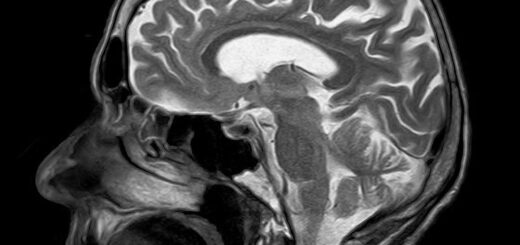
The increasing age of the population living with HIV introduces additional neuropathological considerations. Hypertension, diabetes mellitus, dyslipidaemia and other cardiovascular risk factors contribute to cerebral small-vessel disease and may exacerbate cognitive dysfunction independently of HIV. Chronic systemic inflammation and immune dysregulation have also been proposed as contributors to vascular endothelial injury and altered cerebrovascular function. Structural neuroimaging studies have reported abnormalities involving cerebral white matter and subcortical structures, although these findings are not specific to HIV infection and may reflect multiple overlapping pathological processes. Depression, sleep disorders, substance use and medication-related effects further complicate the attribution of cognitive symptoms to HIV-associated neurological disease.
The possibility of interactions between HIV and age-related neurodegenerative disorders is particularly relevant in older adults. Alzheimer’s disease(AD), vascular cognitive impairment and other neurological conditions may coexist with HIV infection, but their diagnosis requires independent clinical and biomarker evaluation. Although neuroinflammation, synaptic dysfunction and altered protein homeostasis are implicated in several neurodegenerative disorders, shared biological mechanisms do not establish that HIV infection causes AD or accelerates amyloid and tau pathology. Current evidence supports careful differential diagnosis rather than attributing progressive memory impairment to HIV-associated neurocognitive disorder without further investigation.
The diagnostic framework itself has undergone substantial reassessment. In 2023, Nightingale et al. published international consensus recommendations questioning the specificity and clinical utility of traditional criteria for HIV-associated neurocognitive disorders. The authors noted that applying conventional neuropsychological thresholds across multiple cognitive domains could produce unexpectedly high rates of apparent impairment among otherwise cognitively healthy individuals. They proposed an approach that more clearly separates HIV-associated brain injury from cognitive impairment attributable to alternative conditions and distinguishes active neurological pathology from the residual effects of previous injury. This distinction has direct implications for epidemiological estimates, patient classification and the interpretation of therapeutic studies.
Treatment remains centred on effective antiretroviral therapy, which is essential for preventing severe HIV-associated neurological complications. However, systemic viral suppression does not guarantee normalization of cognitive performance, particularly when neurological injury predates treatment or when non-HIV-related conditions contribute to cognitive dysfunction. There is currently insufficient evidence to support a specific adjunctive neuroprotective treatment capable of reliably reversing HIV-associated cognitive impairment. Clinical management therefore requires assessment of vascular and metabolic risk factors, psychiatric and sleep disorders, medication exposure and other potentially reversible causes, alongside sustained virological control.
Recent discussions of cognitive aging in people living with HIV have emphasized the limitations of treating neurocognitive impairment as a single pathological entity. Cysique et al., writing in The Lancet HIV in 2025, advocated a broader approach to cognitive health that considers individual clinical trajectories and the interaction between HIV-associated factors and the determinants of ageing. Longitudinal cognitive assessment, combined with structural and functional neuroimaging, cerebrospinal fluid biomarkers and emerging molecular techniques, may improve the identification of patients at risk of clinically meaningful deterioration. Nevertheless, the diagnostic and prognostic utility of individual inflammatory or neuronal injury biomarkers has not yet been sufficiently established for routine clinical application across this population.
The available evidence suggests that HIV-associated cognitive impairment is better understood as a heterogeneous neurological syndrome than as a uniform progressive neurodegenerative disorder. Persistent deficits may reflect historical immunosuppression and accumulated cerebral injury, while cognitive deterioration developing later in life may involve vascular pathology, neurodegenerative disease, psychiatric conditions or other systemic comorbidities. Chronic neuroimmune activation remains a biologically plausible contributor, but its independent role in progressive cognitive decline requires further longitudinal investigation.
From a neuroscientific perspective, the unresolved question is not simply whether cognitive impairment persists during effective antiretroviral treatment, but which biological processes account for its onset, persistence and progression in individual patients. Studies capable of integrating viral reservoir characterization, glial inflammatory responses, synaptic and axonal injury markers, neuroimaging and repeated cognitive measurements will be necessary to clarify these relationships. More precise characterization of HIV-associated neurological injury may ultimately allow clinicians to distinguish stable cognitive sequelae from active pathological processes and identify therapeutic targets relevant to preserving cognitive function during ageing.
References
- Heaton RK, Clifford DB, Franklin DR Jr, et al. HIV-associated neurocognitive disorders persist in the era of potent antiretroviral therapy: CHARTER Study. Neurology. 2010;75(23):2087–2096. doi: 10.1212/WNL.0b013e318200d727
- Heaton RK, Franklin DR Jr, Deutsch R, et al. Neurocognitive change in the era of HIV combination antiretroviral therapy: the longitudinal CHARTER study. Clinical Infectious Diseases. 2015;60(3):473–480. doi: 10.1093/cid/ciu862
- Ellis RJ, Marquine MJ, Kaul M, Fields JA, Schlachetzki JCM. Mechanisms underlying HIV-associated cognitive impairment and emerging therapies for its management. Nature Reviews Neurology. 2023;19:668–687. doi: 10.1038/s41582-023-00879-y
- Nightingale S, Ances B, Cinque P, et al. Cognitive impairment in people living with HIV: consensus recommendations for a new approach. Nature Reviews Neurology. 2023;19:424–433. doi: 10.1038/s41582-023-00813-2
- Henderson M, Winston A. Risk factors for cognitive decline in persons with HIV. Current Opinion in Infectious Diseases. 2025;38(1):37–43. doi: 10.1097/QCO.0000000000001080
- Cysique LA, Levin J, Howard C, et al. Fostering healthy cognitive ageing in people living with HIV. The Lancet HIV. 2025;12(1):e71–e80. doi: 10.1016/S2352-3018(24)00248-0
How to cite this post
Olegario RL. HIV and cognitive decline: persistent neuroinflammation and the ageing brain [Internet]. Brasília (BR): Raphael L. Olegario; 2026 Oct 27. Available from: https://rlolegario.com/2026/10/27/hiv-and-cognitive-decline-persistent-neuroinflammation-and-the-aging-brain/